


Understanding Your Health Through Urine Flow: What Your Stream Says About You

Urination is a natural bodily function, but the "flow" of your urine can be a significant indicator of your internal health. Often, we ignore small changes in our bathroom habits, but a change in the urinary stream can be an early warning sign of underlying conditions that require attention.
Why Your Urine Flow Pattern Matters
According to Dr. Vikas Singh, urinary health is not just about "how often" you go, but "how" the urine exits the body. The flow pattern helps determine how efficiently the bladder and the urinary tract (urethra) are functioning.
The Connection Between Urinary Health and Internal Conditions
Various medical issues can cause obstructions or functional changes in the urinary tract. By observing the speed, consistency, and duration of the flow, one can identify specific health patterns.
Decoding the 4 Common Urine Flow Patterns
1. Normal Flow: Signs of a Healthy Bladder

Characteristics: The urine stream starts rapidly, reaches its peak flow (highest level), and then gradually decreases until it stops.
Outcome: The bladder is completely emptied, and the individual feels a sense of satisfaction and relief.
2. Prostate Problem Pattern: Identifying Early Warning Signs
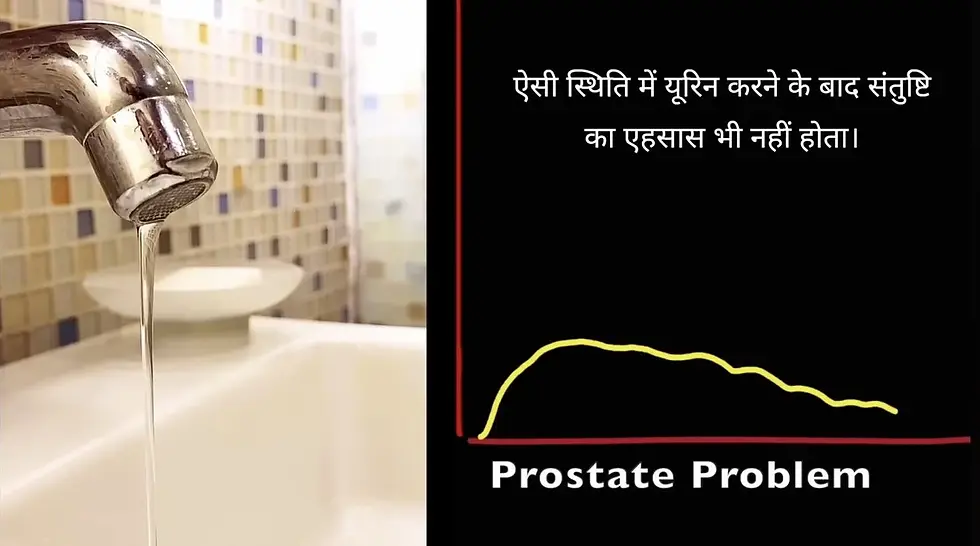
Characteristics: The stream may start, stop briefly, and then continue at a very slow pace.
Challenges: It takes significantly longer to urinate, and there is often a feeling that the bladder is not entirely empty.
Outcome: A persistent feeling of dissatisfaction after urinating.
3. Stricture Urethra: What Happens When the Path Narrows?
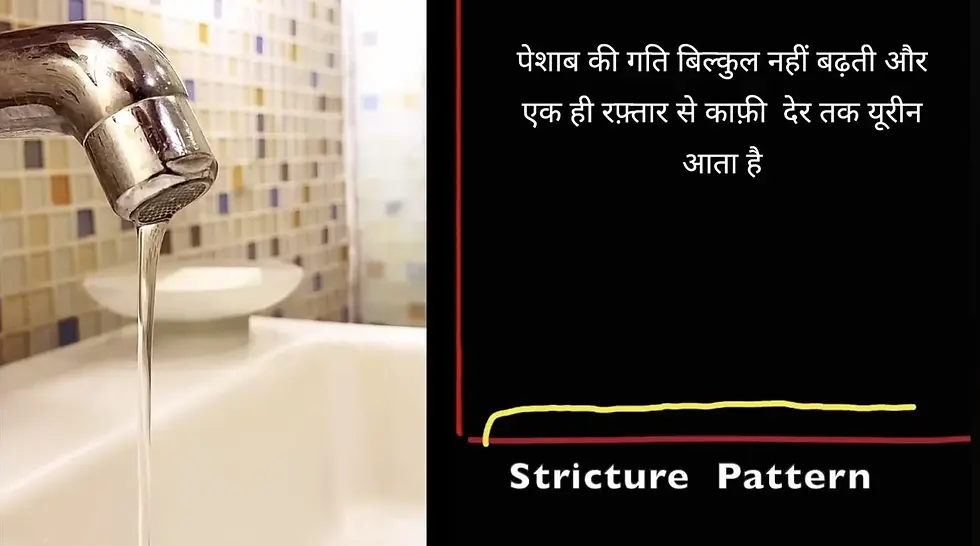
Definition: A "stricture" refers to the narrowing of the urinary pipe (urethra).
Characteristics: Urine comes out very slowly but at a constant, fixed, and steady speed.
Observation: The flow rate does not increase at all; the urine continues at the same slow speed for a long duration.
4. Weak Bladder: Straining and Interrupted Spurts
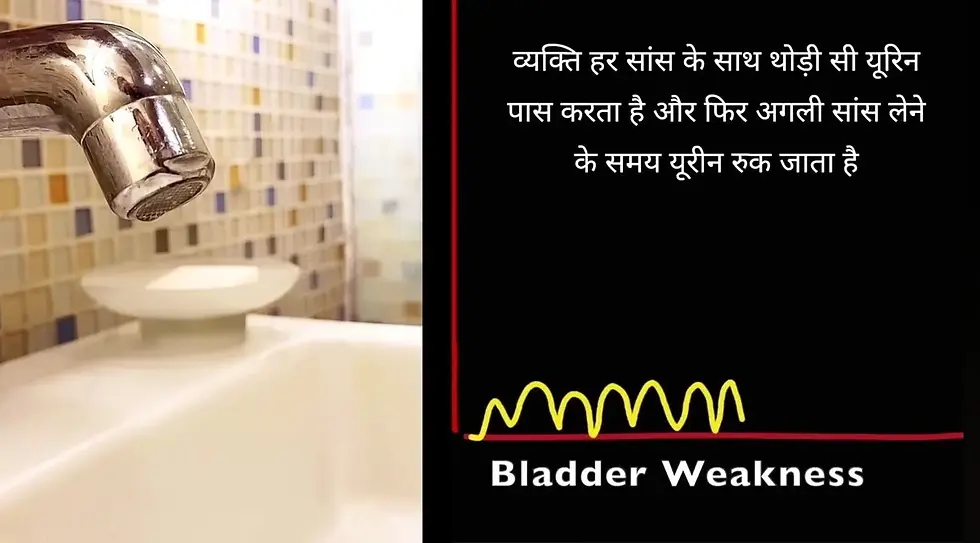
Characteristics: The individual has to apply pressure from the stomach (abdominal straining) to initiate or maintain urination.
Flow: The urine comes in weak, interrupted spurts rather than a continuous stream.
Advanced Issues: This condition can also occur when a prostate problem has progressed significantly.
Diagnostic Next Steps: When Should You See a Doctor?
If you notice a consistent change in your flow pattern—such as having to strain or feeling like you haven't finished—it is time to consult a specialist.
The Limitations of Surgery in Advanced Cases
Dr. Singh notes that if a bladder becomes too weak or a prostate issue is left too long, surgery may not provide significant benefits. Therefore, early diagnosis is crucial.
Preparing for a Consultation with a Urologist
Track your symptoms and be prepared to describe your flow pattern. A urologist may perform a test called a "Uroflowmetry" to objectively measure these patterns.
Conclusion: Taking Proactive Control of Your Urinary Health
Your body constantly sends signals about its internal state. Recognizing changes in your urine flow and taking timely action can prevent future complications and improve your quality of life.
About the Author
Dr. Vikas Singh Dr. Vikas Singh is a senior specialist at Kokilaben Hospital, Indore. He is well-known for his expertise in Urology and his ability to explain complex medical conditions in simple, easy-to-understand terms. Through his digital platforms, he aims to raise awareness about urinary health and encourage early medical intervention.
Frequently Asked Questions (FAQ)
Q1: Is a weak urine stream always a sign of a prostate problem?
A:No. While common in prostate issues, a weak stream can also be caused by a narrow urethra (stricture) or a weak bladder muscle.
Q2: How long should it normally take to empty the bladder?
A:In a healthy individual, the process is usually quick and efficient, though the exact time depends on the volume of urine. If it takes an unusually long time to finish, it may indicate a flow problem.
Q3: Is it normal to have to push or strain to urinate?
A:No. Urination should be a natural, effortless process. Having to use stomach muscles to push urine out is a sign of a "Weak Bladder" or an obstruction.
Q4: Can these conditions be treated without surgery?
A:Many urinary issues can be managed with medication or lifestyle changes if caught early. However, conditions like a stricture often require specific medical procedures.
Disclaimer: This article is for educational purposes only. For any health concerns, please consult a qualified healthcare professional or a Urologist.
Comments